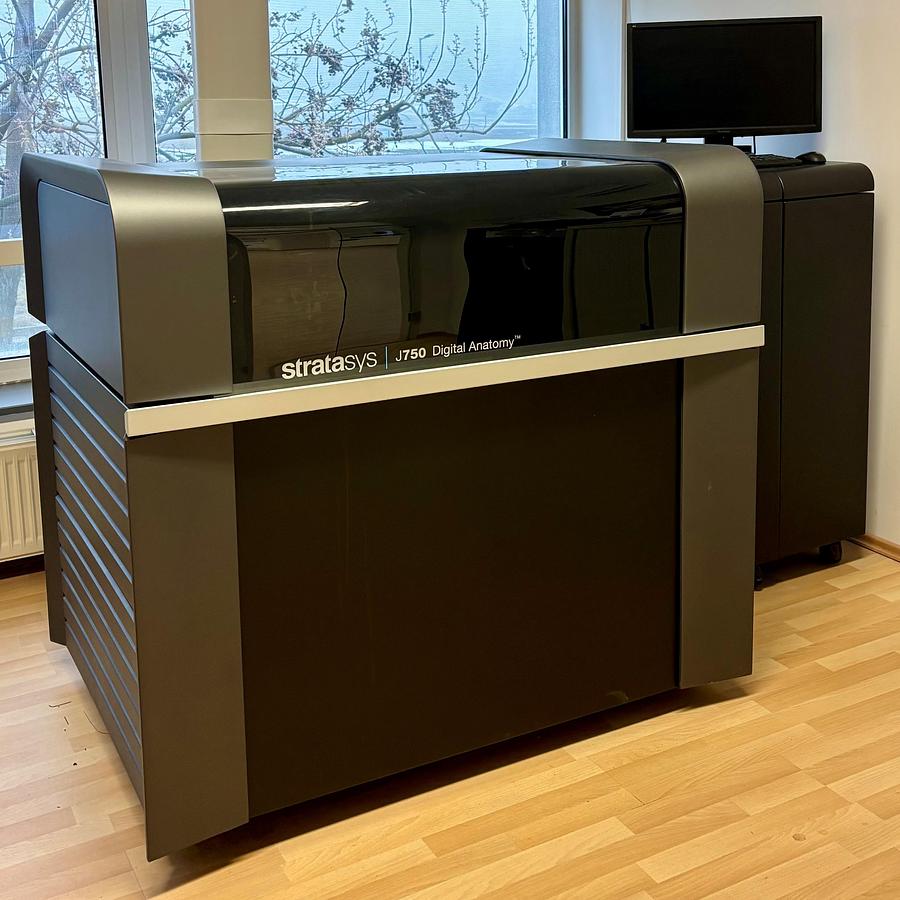
Stratasys J750 DAP – Economic value through realistic anatomy
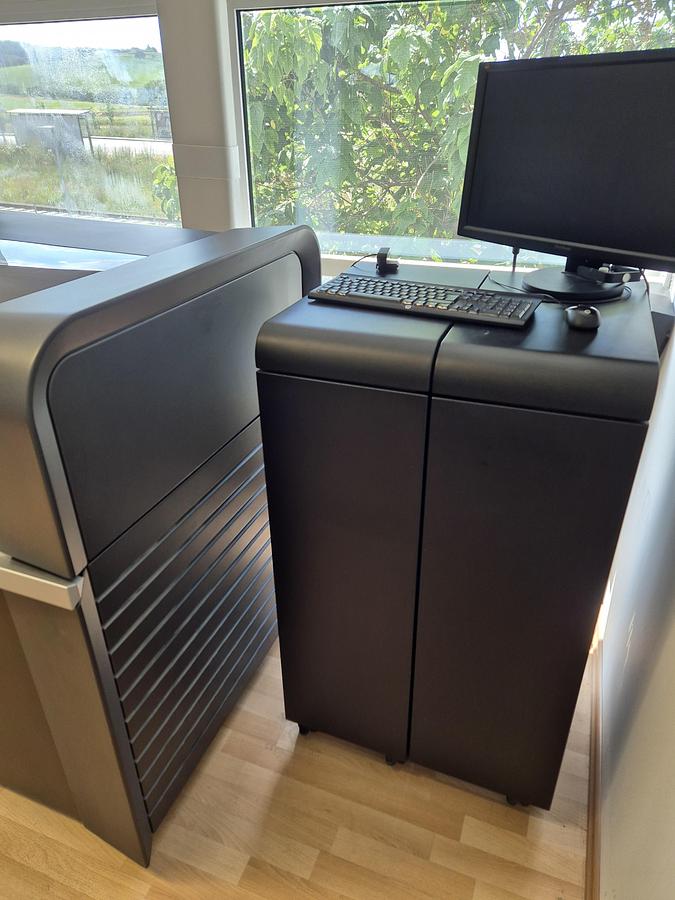
simulation, The Stratasys J750 with Digital Anatomy Printer (DAP)
Upgrade is not only a technological investment – it is a strategic
tool for Cost reduction, process optimization and risk minimization in
medical and medical-technical applications.,
---------------------------------------------------------------, Your
economic benefit, 1️⃣ Reduction of operation times,
Patient-specific anatomical models enable more precise preoperative
planning., → Shorter intervention times, → Lower operating costs,
→ Reduced complication risks, Already a few avoided operating
minutes per procedure can significantly amortize the investment.,
---------------------------------------------------------------,
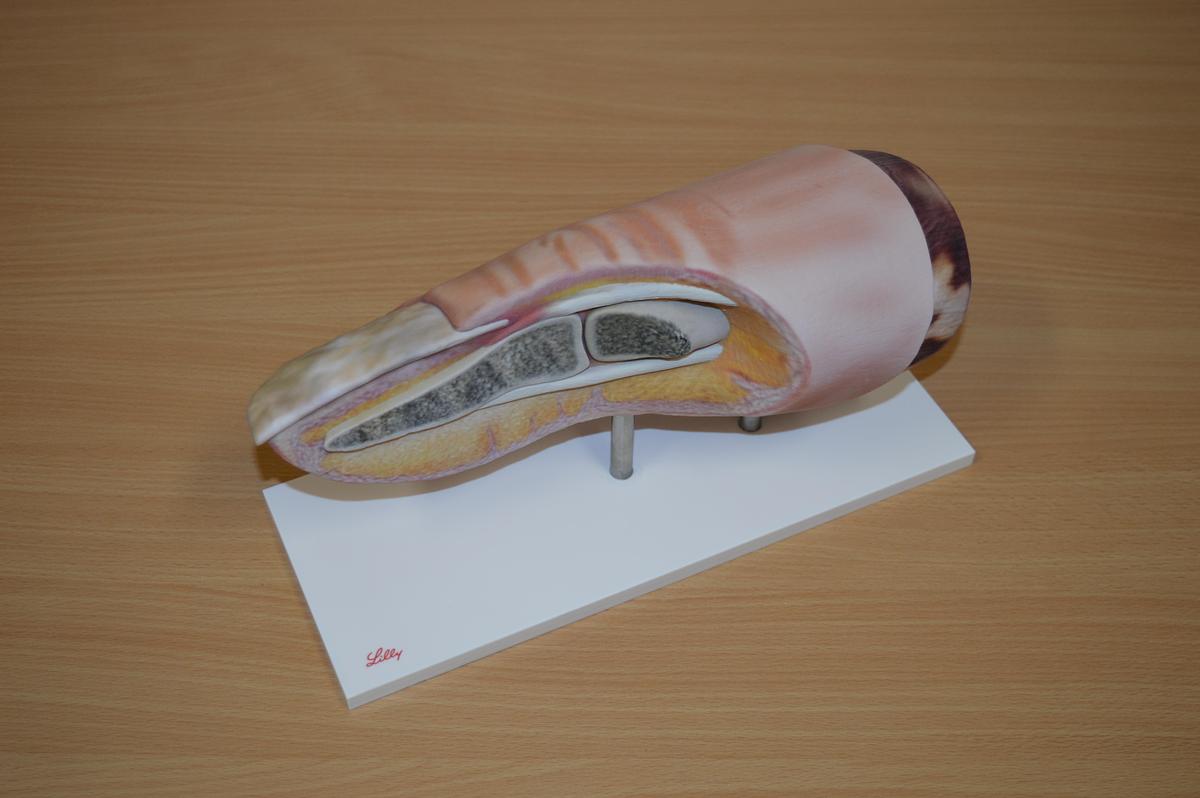
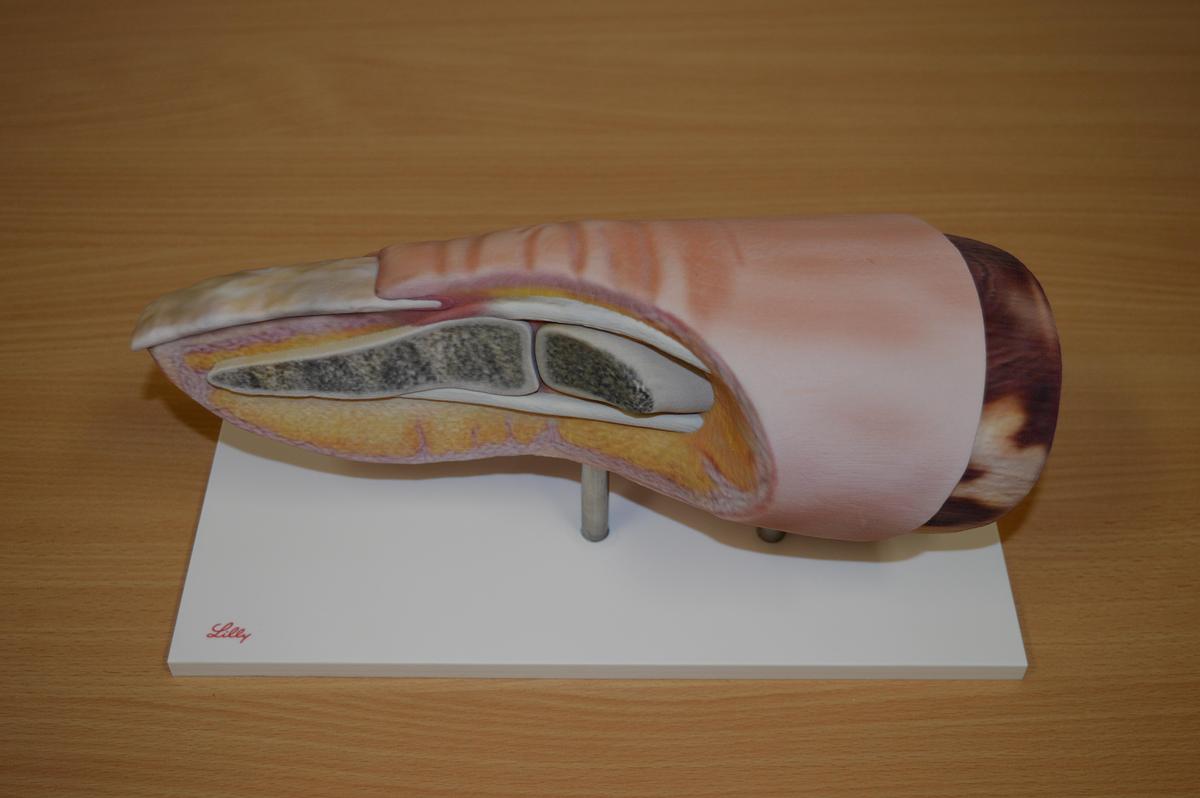
2️⃣ Fewer revision and incorrect decisions, Reality-realistic
tissue simulation allows testing of surgical strategies or implant
positioning before the procedure., → Minimization of costly revision
operations, → Reduction of clinical risks, → Higher patient
safety,
---------------------------------------------------------------,
3️⃣ Accelerated product development (MedTech), For manufacturers
of medical devices:, - Realistic validation of catheters, implants or
instruments, - Shortened development cycles, - Faster time to market,
→ Time-to-Market advantages directly lead to competitive
advantages.,
---------------------------------------------------------------,
4️⃣ Reduced external model costs, Internal manufacturing of
anatomical models:, → Elimination of external service providers, →
Control over quality & availability, → Faster iterations within
24–48 hours,
---------------------------------------------------------------,
5️⃣ Higher training and education value, Improve realistic haptics
and material simulation for operator training programs., → More
efficient training, → Lower training costs, → Higher clinical
competence,
---------------------------------------------------------------,
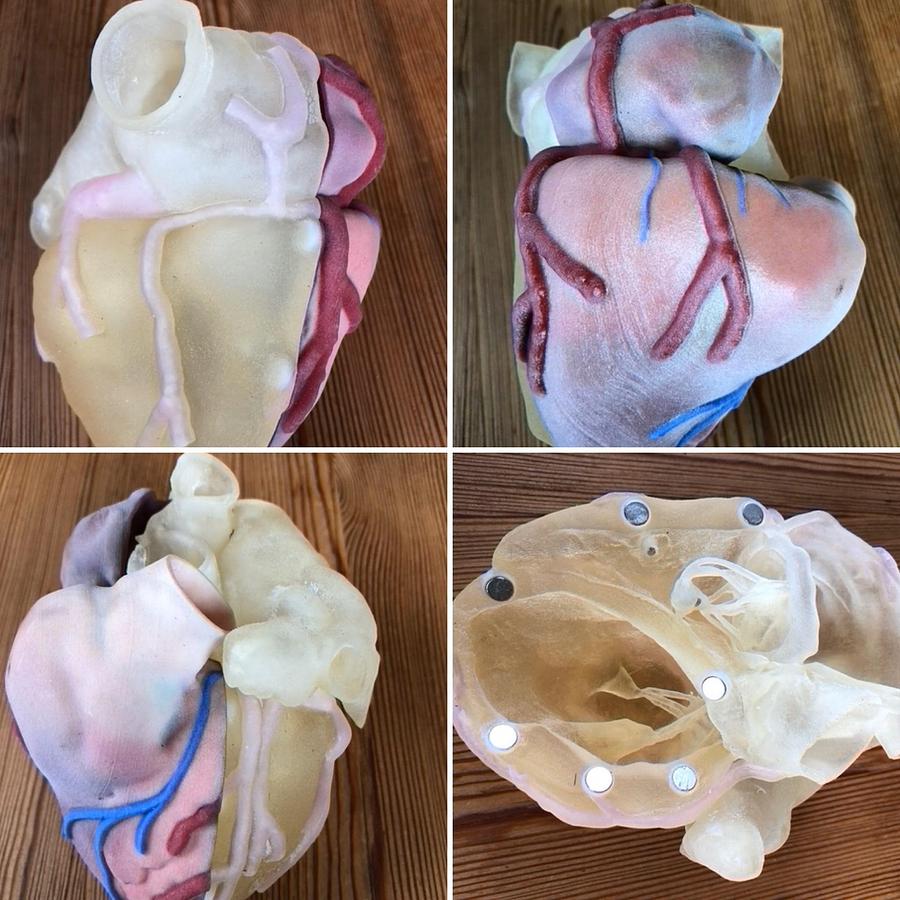
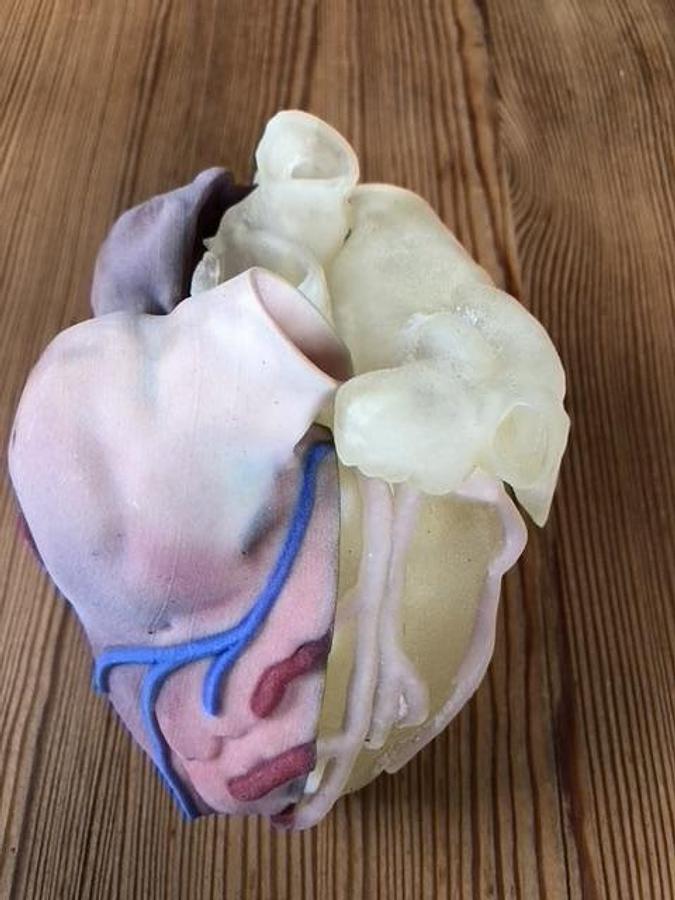
Technological added value = economic advantage, - Multi-material
printing with up to 6 materials simultaneously, - Realistic simulation
of different tissue types, - Full-color printing for clear anatomical
differentiation, - High repeat accuracy for standardized processes,
---------------------------------------------------------------,
Amortisation potential, Depending on the use case, the investment can
pay off through:, - Reduction of external model costs, - Reduction of
operation times, - Reduction of development cycles, - Avoidance of
incorrect or revision operations, - Faster product launch, In many
MedTech environments, the system already pays off within 12–24
months, depending on usage volume.,
---------------------------------------------------------------,
Conclusion, The Stratasys J750 DAP is not a classic 3D printer – she
is a economic optimization instrument for clinics, research
institutions and MedTech companies., Who wants to measurably improve
processes, minimize risks, and shorten innovation cycles, here one
does not only invest in technology – but in Efficiency, safety and
competitive advantage., Technical specifications (excerpt), Feature /
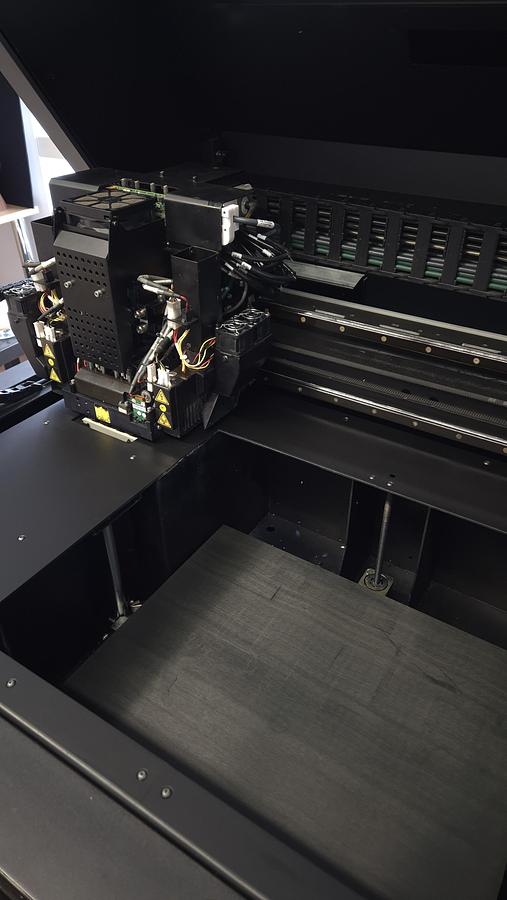
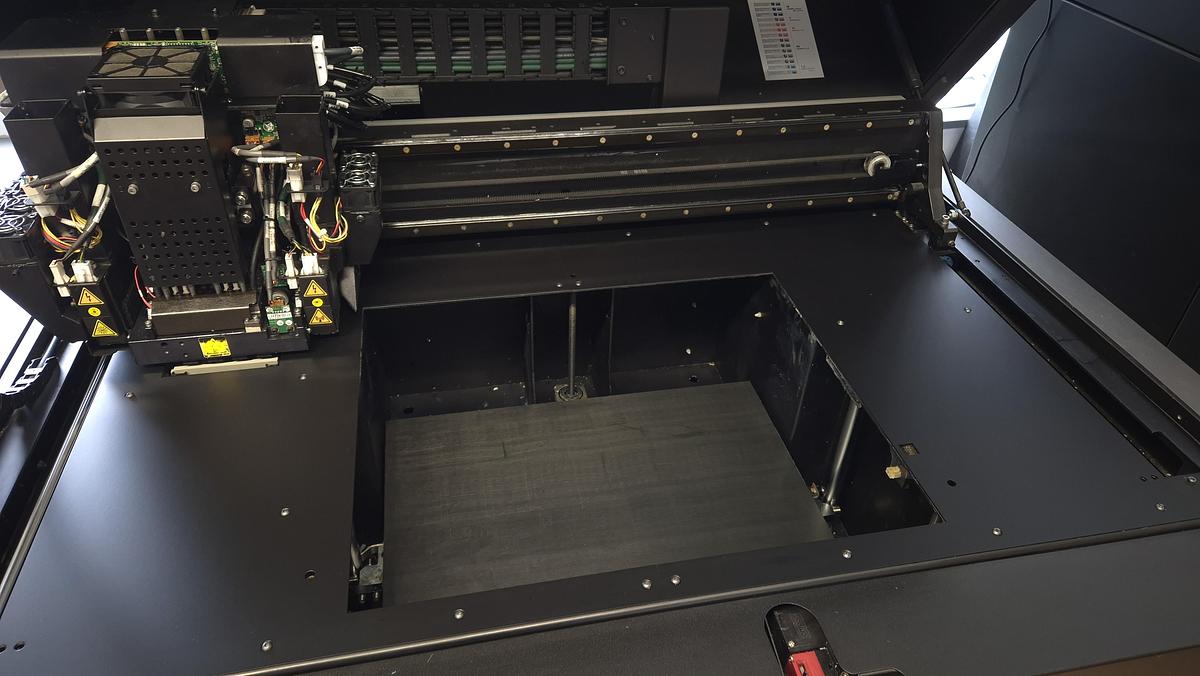
Specification, technology: PolyJet™ Multi-Material Inkjet, Upgrade:
Digital Anatomy Package (DAP), Construction volume: approx. 490 × 390
× 200 mm, Coating thickness: up to 14 µm, Materials simultaneously:
Up to 6, Color print: Full color (over 500,000 color nuances),
Material types: Rigid, Elastomer, Transparent, Digital Anatomy
Materials, Data formats: STL, OBJ, VRML, Applications: Medical,
Dental, Research, High-End Prototyping, Why J750 DAP instead of
standard PolyJet?, The DAP-Upgrade transforms the J750 from a powerful
prototyping system to a biomechanical simulation platform. You dont
just print models – you reproduce the functional properties of real
tissues., For medical facilities and manufacturers of medical devices,
this means:, - more realistic tests, - better training conditions, -
higher validation safety, - reduced development times, technology:
PolyJet™ Multi-Material Inkjet, Upgrade: Digital Anatomy Package
(DAP), Construction volume: 490mm x 390mm x 200mm maximum, Power
supply: 220–240 VAC, 50–60 Hz, 7 A or 100–120 VAC, 50–60 Hz,
13.5 A




 Germany
düsseldorf
Germany
düsseldorf